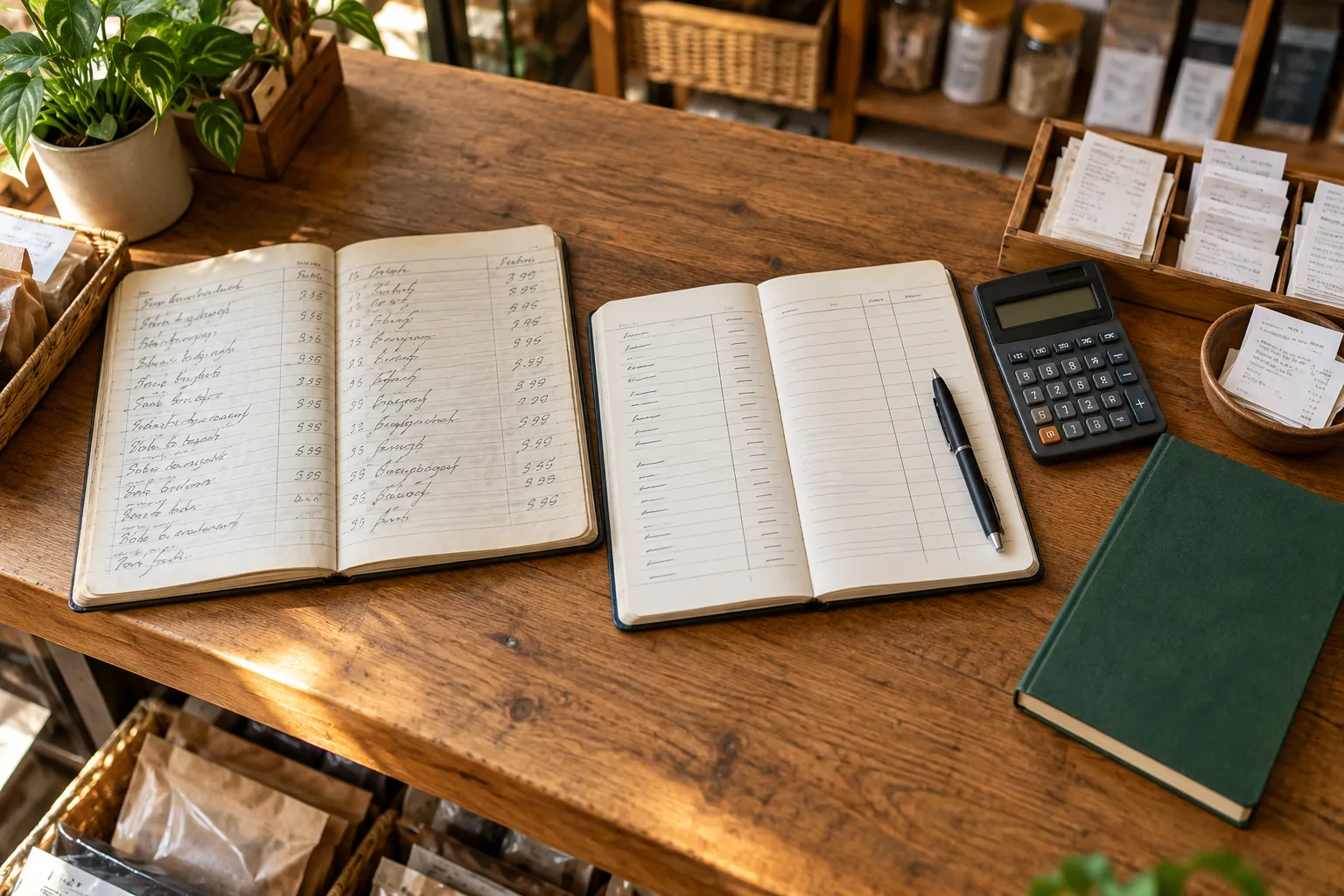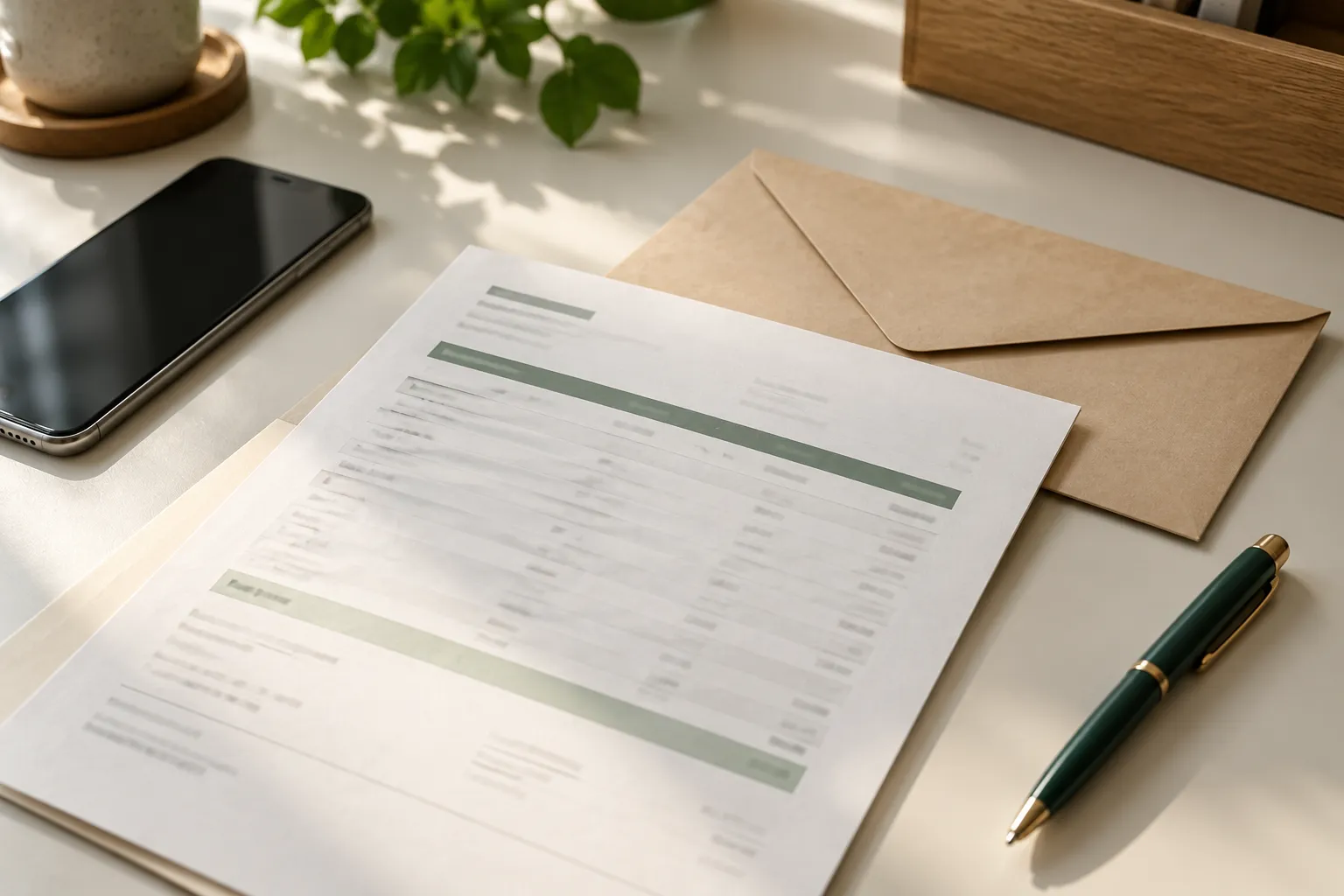
A customer asks, “How much is left?” Sending one number can be quick, but it may not explain the amount. A clear statement gives the customer something concrete to check: the original activity, later payments and the period covered.
Before you press Share, spend a moment checking what the document will actually communicate.
Confirm the person first
Open the intended customer’s record and check the identity, especially when names are similar. A statement belongs to that customer; it should not include unrelated people or the entire business cashbook.
If you use WhatsApp or another messaging app to share the document, verify the destination in that app too. Selecting the correct record in CashKitab does not guarantee that the next app has the correct conversation open.
Be clear about the period
If a statement covers only part of the history, say which dates it includes. A customer may remember an earlier payment that falls outside the selected period. An unexplained date range can turn a simple check into a disagreement.
Review any opening balance or coverage notes included in the document. Do not describe a filtered or partial statement as a complete account history unless that is what it contains.
Read the entries as a customer would
Check whether the notes and references are understandable to someone who does not use your books. Internal shorthand can make sense to your team while leaving the customer unsure what an amount refers to.
Look at the payment history as well as the outstanding total. For example, if an original amount was Rs 1,200 and the customer has already paid Rs 500, the statement should help explain the remaining Rs 700. The example assumes no earlier balance or other adjustment.
Add a short, specific message
A useful message explains what you are sending and what you need the customer to check. For example:
Here is your statement for the selected period. It includes the part payment we recorded. Please check the transactions and let us know if a payment is missing.
Keep sensitive details in the intended document and conversation. There is no need to include passwords, verification codes or unrelated customer information in a payment discussion.
If you agree on a payment date, record a clear follow-up. “Confirm remaining payment on Thursday” gives you a next action; “customer pending” gives you much less to work with later.
Correct the source when something is wrong
If the customer identifies a missing or incorrect entry, check the original records before issuing another statement. Consider recent offline or shared-device activity as part of that review.
After a correction, prepare a fresh statement rather than editing an image of the old one. The document should reflect the records you intend to rely on.
CashKitab can organize customer records and share supported statements through compatible apps. It does not collect the payment for you. For the recording workflow, read the customer udhar guide.